
From 1528 to 2019: The Story of the Babri Masjid
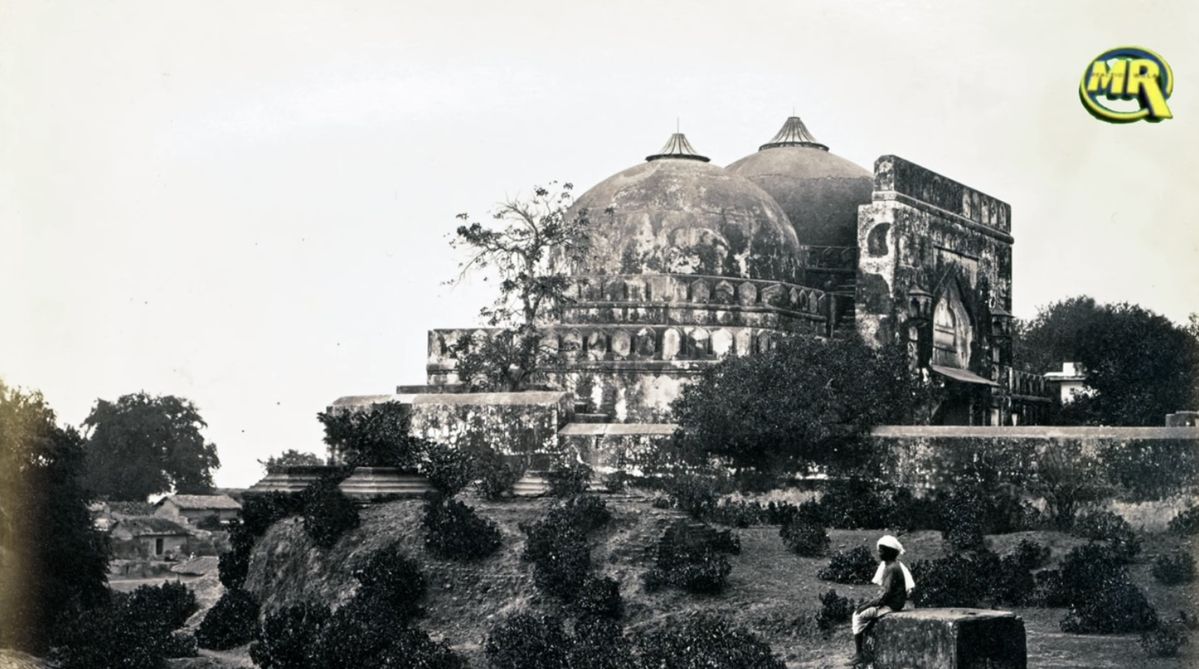
The Babri Masjid was a historic mosque located in Ayodhya, a city in northern India. Constructed in 1528 during the reign of Babur, the first Mughal emperor, it served as a place of worship for Muslims for centuries.
Ayodhya also holds immense religious significance for Hindus, many of whom believe it is the birthplace of Lord Rama, a major deity in Hinduism. Because of this belief, both Muslims and Hindus held strong emotional attachments to the site where the mosque stood.
For a long time, there was a dispute over the land. Many Hindus believed that an ancient temple dedicated to Lord Rama had once existed on the site and was destroyed to build the mosque. However, historical opinion was divided for years due to a lack of definitive records, and this disagreement gradually created tension between the two communities.
During British rule in the 1800s, the administration attempted to mitigate the conflict by implementing a compromise: Muslims were allowed to pray inside the mosque, while Hindus could worship in the outer courtyard. Despite this arrangement, the friction continued.
After India gained independence, the dispute escalated into a major political and legal issue, sparking numerous court cases and public protests. On December 6, 1992, a massive crowd gathered at the site and demolished the Babri Masjid. This event shocked the nation, triggering widespread violence and marking one of the darkest chapters in modern Indian history.
Following the demolition, the legal battle continued for decades. Archaeologists surveyed the site to investigate the structures that lay beneath. Finally, in 2019, the Supreme Court of India delivered a historic verdict. The Court ruled that the disputed land should be handed over for the construction of a Hindu temple. It also ordered that a separate, prominent plot of land in Ayodhya be allotted to Muslims for the construction of a new mosque.
The history of the Babri Masjid highlights how deeply people feel about religion and identity. It serves as a reminder that peace, mutual respect, and understanding are essential for harmonious coexistence in a diverse society.